Exploring the Extraordinary: Unveiling the Secrets of Mythical and Wild Beasts in Our Ecosystems
Welcome to the fascinating world of beastology, where the mysteries of our ecosystems unfold before our eyes! When we think of beasts, our minds often wander to the fantastical creatures of legends, lurking in the shadows of our imagination. Yet, in the realms of biology, zoology, and animal studies, ‘beasts’ encompass a wide variety of creatures, all of which play crucial roles in the ecosystem. What if I told you that by diving deep into this enthralling field, you might unearth the secrets of both mythical and real wild animals, and ultimately, appreciate the beauty and complexity of the natural world?
Picture the lush jungles teeming with life or the vast oceans filled with intricate marine life. Every corner of our planet is adorned with unique fauna and wildlife science has much to say about every inch of it. From fascinating invertebrates dancing in the tide pools to grand vertebrates roaming the savannah, every species contributes to the rich tapestry of biodiversity. Imagine being a naturalist, captivated by the intricate animal behavior, taking notes on endangered species and their habitats. Which animal has captivated your heart, and why?
Have you ever stood in awe of a creature so majestic that it seemed almost mythical? Perhaps it was the ghostly figure of a snow leopard or the vibrant plumage of a tropical bird. These animals, while not mythical, seem to embody the spirit of wonder that we often associate with glorious legends. Ethology, the study of animal behavior, helps us understand what drives these wild animals in their quest for survival. Watching a mother bear protect her cubs or witnessing the intricate dance of courtship among birds—what lessons do these behaviors teach us about our own human interaction?
As we explore beastology, we must also confront a crucial challenge—conservation. Many species that call our ecosystem home are facing threats from habitat loss and climate change. Endangered species, emblematic of the fragility of our ecosystems, need our attention and action. Have you ever thought about how everyday choices can impact the environment? Each small step we take, like supporting wildlife conservation, contributes to the survival of these creatures and the health of our planet. The fight to protect and preserve not just animals, but their habitats as well, requires a united front from us all.
In conclusion, our expedition into the world of beastology reminds us of the interconnectivity of all life on Earth. Whether it’s through the lens of conservation, biology, or simply our appreciation for wildlife, we unravel stories that inspire us to delve deeper into the animal kingdom—and, in essence, into ourselves. So, the next time you encounter a wild animal or hear a tale of a fantastical beast, take a moment to appreciate the intricate balance of our ecosystems. What role do you think we play in this grand orchestra of life?
From Myth to Reality: Understanding the Role of Mythical Creatures in Biodiversity
In a world where the line between myth and reality often blurs, the concept of mythical creatures enchants our imagination and stirs our curiosity about the natural world. Have you ever wondered how these fantastical beasts, born from the whispers of ancient folklore, might somehow connect to the very real ecosystems that cradle our planet? Enter beastology, the captivating study of both real and legendary fauna, where the realms of wildlife science and the mysteries of mythical creatures intertwine. As we delve deeper into this curious intersection, we unlock secrets not just about our beloved creatures, but also about the intricate biodiversity that sustains the balance of our ecosystems.
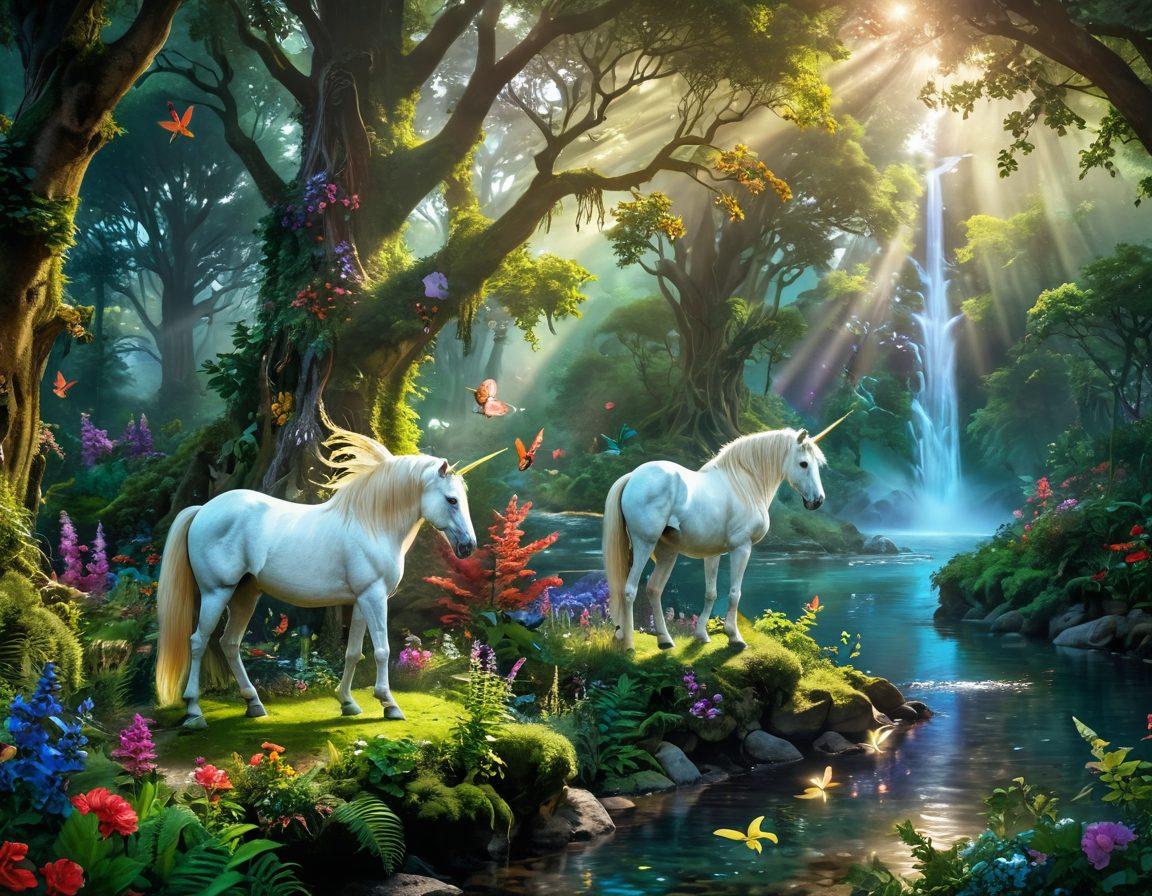
From the mighty dragons soaring across medieval landscapes to the elegant unicorns prancing through enchanted woodlands, mythical creatures serve as profound symbols of the imagination. Yet, could they also represent the forgotten stories of actual endangered species? This is a question posed by naturalists and conservationists alike, as they turn to the pages of folklore for inspiration in protecting our wild animals. In every culture around the globe, myths often highlight the importance of certain animals and their roles in maintaining the ecological balance, reminding us that the animal kingdom is a living tapestry of interwoven lives, both real and legendary. How can these tales join hands with modern animal studies to foster a deeper appreciation for biodiversity?
The magic of these creatures doesn't just lie in their fantastical attributes; they often mirror real qualities found within the animal behavior of our wild and domestic animals. For instance, the common portrayal of a phoenix represents the idea of renewal, much like the vital role that the endangered species play in rejuvenating their habitat. Within the marvelous realm of invertebrates and vertebrates, each species holds a unique place that ties back to the rich narratives spun about them. As we explore biology through an ethological lens, understanding how these beasts behave, interact, and thrive offers invaluable lessons about conservation efforts—serving as a reminder that the survival of wondrous sea creatures or terrestrial giants hinges on our awareness and actions.
But what about the creatures that no longer exist? The tales of extinct species ignite our fascination while underscoring the fragility of life within our ecosystems. Think about it: how many stories could we write today if we understood the fate of the woolly mammoth or the dodo? Through a lens of natural history, we can draw parallels between the legends of mythical beasts and the reality of our disappearing fauna, providing crucial lessons in preserving the delicate web of life that supports us all. So, how can we ensure that future generations still appreciate both the legends and the legacies of our ecosystems?
Next time you hear a captivating tale about a mythical creature, pause to reflect on the real-life wonders hidden in the wilderness around you. Every time we celebrate the fantastical, we should also take a moment to remember the creatures who inspire those tales and the ecosystems they inhabit. By weaving together the narratives of myth and reality, we can cultivate a robust relationship with our environment, fostering a spirit of conservation, ensuring that the stories of both mythical and wild animals continue to thrive for eons to come. After all, in every majestic beast, be it real or imagined, we find a piece of ourselves—a reflection of the hopes, dreams, and responsibilities we carry as stewards of the fragile biodiversity that shapes our world.
Guardians of the Wild: Exploring the Interconnection of Species and Their Habitats
In the heart of our diverse ecosystems lie the unsung heroes – the guardians of the wild. Have you ever marveled at how the majestic beasts of the earth seamlessly coexist with their habitats, creating a delicate balance that supports all forms of life? This intricate interconnection of species and their environments is a subject that encapsulates not just the essence of wildlife science, but also our innate fascination with the fauna that roams the earth, from the smallest invertebrates to the grandest of vertebrates. As naturalists delve into the world of beastology and animal studies, we uncover the role these creatures play in maintaining ecological harmony and biodiversity.
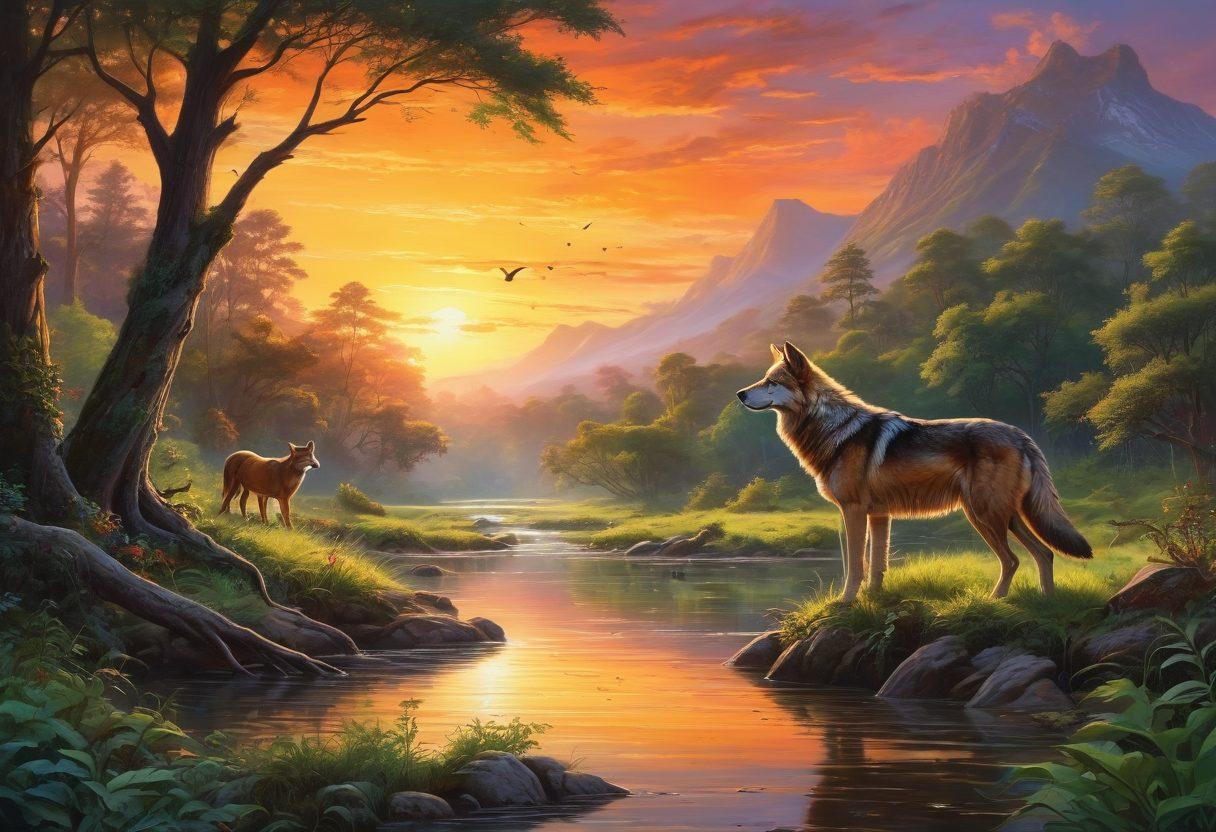
Take a moment to reflect: what would our world look like without the enchanting array of animals? Without elephants traversing the savannas or wolves ruling the forests, would the delicate threads of our ecosystems unravel? This thoughtful pondering leads us to the importance of understanding animal behavior and ethology. The way wildlife interacts with its environment shapes not only their survival, but also the fate of their ecosystems. Every species, whether it's a land-dweller or a marvel of marine life, has adapted uniquely to its habitat, establishing an essential role that contributes to the overall health of our planet.
Exploring the realms of zoology and natural history reveals fascinating tales of both endangered species and fantastical beasts of legend. These mythical creatures not only ignite our imaginations, but also remind us of the fragility of our ecosystems when faced with modern challenges. Conservation efforts focused on protecting endangered species are more crucial now than ever. As we witness habitats being threatened by human activity, understanding the biological makeup and the specific needs of these animals becomes imperative. Their protectors, often the voice of environmental science, advocate for sustainable practices that honor these wild animals and their homes.
Picture a thriving rainforest buzzing with life, where countless species of fauna coexist harmoniously within their lush habitat. This is biodiversity at its finest, but it’s not just about the beauty of nature; it’s about survival. Each creature contributes to the stability of its ecosystem in ways we are only beginning to comprehend. For example, consider the intricate relationships formed between pollinators such as bees and the flora they help flourish. Without these connections, entire ecosystems can collapse, highlighting the importance of preserving diverse animal populations and their interrelationships within habitats.
As we gaze into this captivating world of wild animals and mythical creatures, we must ask ourselves: what can we do to protect our environment and the diverse species it shelters? From supporting local conservation projects to getting involved in sustainable practices, we hold the power to be the guardians of these ecosystems. Knowledge is key, and by educating ourselves on animal studies and wildlife science, we can cultivate a deeper appreciation for the animal kingdom and all its inhabitants. Let us be the stewards of nature, ensuring that the extraordinary world of our guardians in the wild continues to thrive for generations to come.